Your Guide to Retiring in the Dominican Republic
Yes, retiring in the Dominican Republic is a well-established path for foreigners, with special residency options for those receiving a pension or generating passive income. Owning a home in a community like Bonita Cap Cana can be a central part of that plan, giving you a tangible asset and a perfect base for your new life in the Caribbean.
What are the main residency programs for retirees?
The Dominican Republic encourages retirees and individuals with independent income to make the country their home through Law 171-07. This law creates two key residency pathways: the Pensionado visa for retirees with a stable pension, and the Rentista visa for individuals with consistent passive income. Both routes offer a streamlined process to obtaining legal residency. Your attorney can advise which path best suits your financial situation and help prepare the application.
| Feature | Pensionado Visa (Retiree) | Rentista Visa (Passive Income) |
|---|---|---|
| Governing Law | Law 171-07 | Law 171-07 |
| Minimum Monthly Income | US$1,500 from a pension | US$2,000 from passive investments |
| Source of Income | Guaranteed lifetime income from a government or private pension plan. | Stable, passive income from sources like investments, annuities, or property rentals. |
| Primary Applicant | The individual receiving the pension. | The individual receiving the passive income. |
Does buying a condo at Bonita help with my residency application?
While owning property is not a direct requirement for the Pensionado or Rentista visas, it demonstrates strong ties to the country, which can be a positive factor in any immigration process. A residence at Bonita, with prices starting from $359,000, is a significant investment and provides you with a permanent address in the Dominican Republic.
The country also has an investment residency program, which requires a minimum investment of US$200,000. However, sources conflict on whether real estate purchases automatically qualify for this route, and at what value. Your attorney is the only one who can confirm how your purchase at Bonita can be structured to support a residency application under any of the available programs.
What is life like for a retiree in Cap Cana?
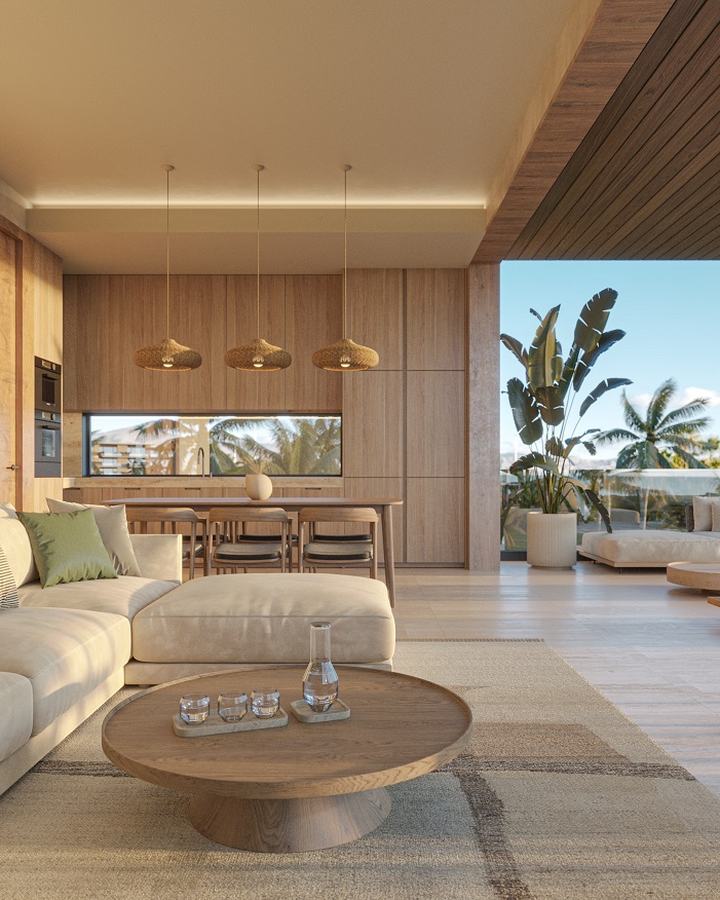
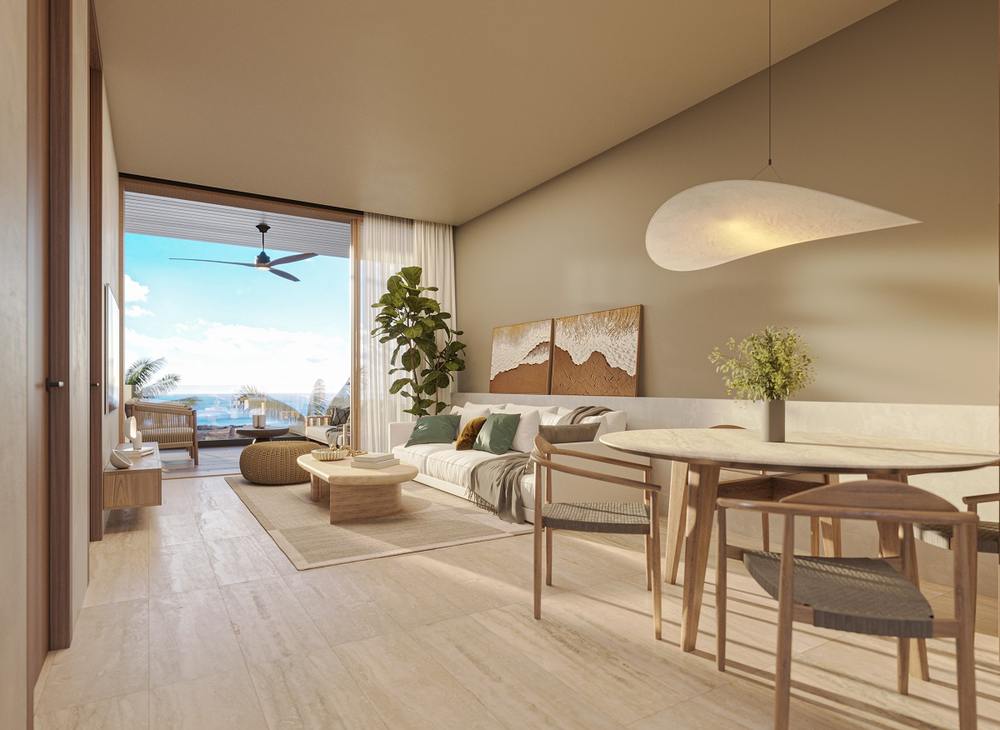
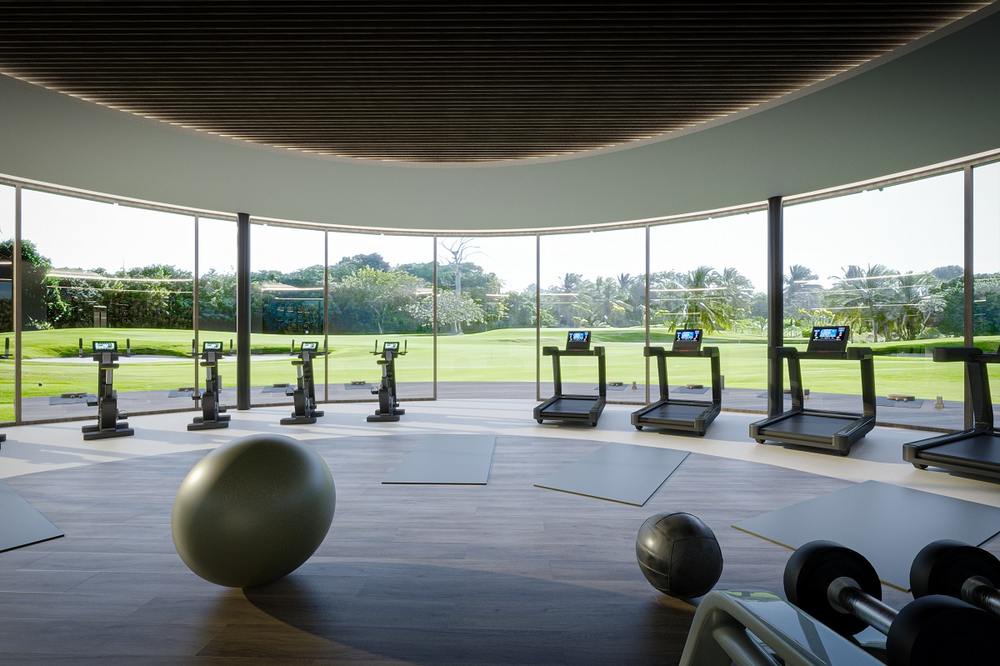
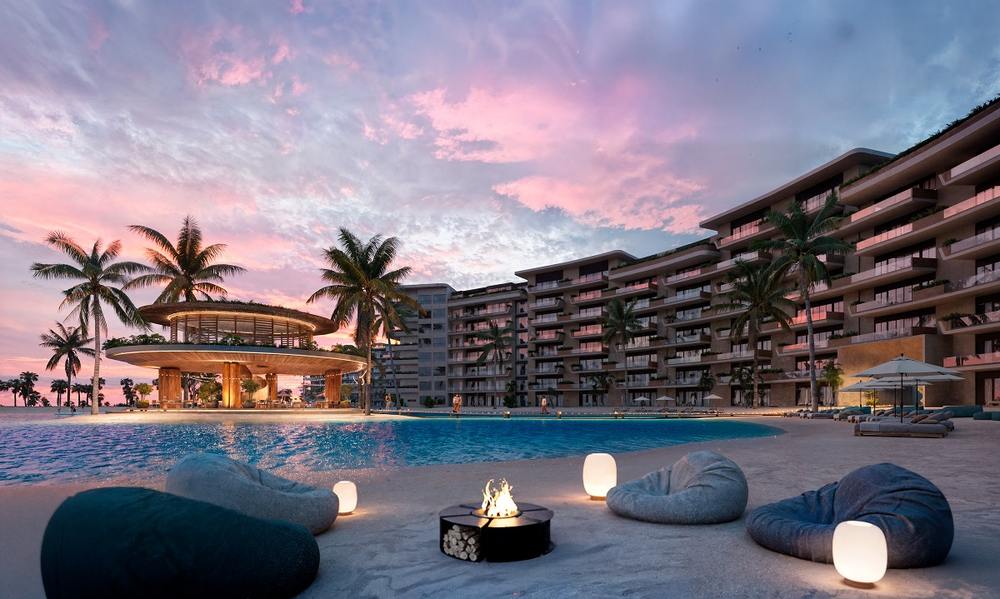
Choosing to retire at Bonita means embracing a lifestyle of comfort, security, and leisure within the exclusive gates of Cap Cana. Our residences are not just vacation homes; they are designed for year-round living with full kitchens, spacious terraces, and high-end finishes. Your days can be spent enjoying our 161,000 square foot crystalline lagoon, the beach club, the panoramic fitness center, or the Rooftop 360° Lounge.
Beyond our gates, you are minutes from Cap Cana's world-class amenities. A short drive connects you to Juanillo Beach, the Cap Cana Marina, and Scape Park. This combination of private, resort-style living and access to the best of Punta Cana makes Bonita an ideal retirement destination.
Can I eventually become a Dominican citizen?
Yes, the Dominican Republic permits dual citizenship, so you would not have to renounce your original nationality. The path to citizenship through naturalization is established by law. Generally, it involves a period of legal residency.
Law 1683 outlines different timelines, including a two-year period of ordinary residency or a potentially shorter six-month period for those who own real estate in the country. However, the legal interpretation of requirements like "uninterrupted residence" can vary, and these pathways are not guaranteed investment benefits. An attorney specializing in Dominican immigration law can provide a clear picture of the requirements and timeline based on your specific circumstances.
What are the tax benefits of owning my retirement home at Bonita?
As a CONFOTUR-approved project, Bonita offers significant tax advantages for your property itself. Your purchase is exempt from the 3% transfer tax, a one-time closing cost. Additionally, the law provides for an exemption from the 1% annual property tax (IPI) for qualifying projects for a period of up to 15 years. This tax is only levied on the value of a property above an annually adjusted threshold, but the exemption simplifies your obligations.
It's important to note that these benefits apply to the property, not your personal income. Your pension or other income may be subject to taxes depending on treaties between the Dominican Republic and your home country. You should always consult with a qualified tax advisor to understand your personal tax situation.
Common questions
- Do I need to live in the DR year-round to maintain my retirement residency?
- While you are not expected to be physically present every single day, Dominican law does require a degree of continuity for residency. Prolonged or frequent absences could impact your ability to renew your status. Your attorney can provide specific guidance on the physical presence requirements for the residency path you choose.
- Can my spouse and dependents get residency with me?
- Yes, the Pensionado and Rentista programs under Law 171-07 allow the primary applicant to include dependents, such as a spouse and children. The specific documentation and any additional income requirements should be confirmed with your legal counsel as part of your application process.
- Is my foreign pension taxed in the Dominican Republic?
- Law 171-07 provides for certain tax exemptions on foreign-sourced income for those with Pensionado or Rentista residency. However, the exact application of these rules and how they interact with tax treaties with your home country can be complex. A tax professional with experience in Dominican and international tax law is the best person to advise you.
- What happens to my Bonita property when I pass away?
- As you hold full, fee-simple title to your property, you can bequeath it to your heirs through a will. Dominican inheritance laws will apply, so it is highly recommended to engage an attorney to assist with proper estate planning to ensure your wishes are carried out smoothly.
Want the details for your own situation?
Ask about availability, layouts or the buying process, and someone from the sales team will get back to you.
Get in touch