Punta Cana or Cancun: Which Is Better for a Property Buyer?
For a property buyer, the choice between Punta Cana and Cancun is a choice between two distinct lifestyles: Punta Cana, especially within the master-planned community of Cap Cana, offers a private, secure, resort-style environment, whereas Cancun provides a more bustling, urban city experience. This difference in atmosphere, combined with contrasting foreign ownership laws, is the most critical factor for anyone considering a Caribbean home.
What is the real difference in atmosphere for a resident?
The primary distinction between the two destinations lies in their layout and lifestyle. Cancun is a well-known city with a dense, high-energy Hotel Zone and a separate downtown (El Centro) that follows a traditional urban grid. While it offers immense variety in dining and nightlife, the experience is that of living in or near a busy metropolitan area.
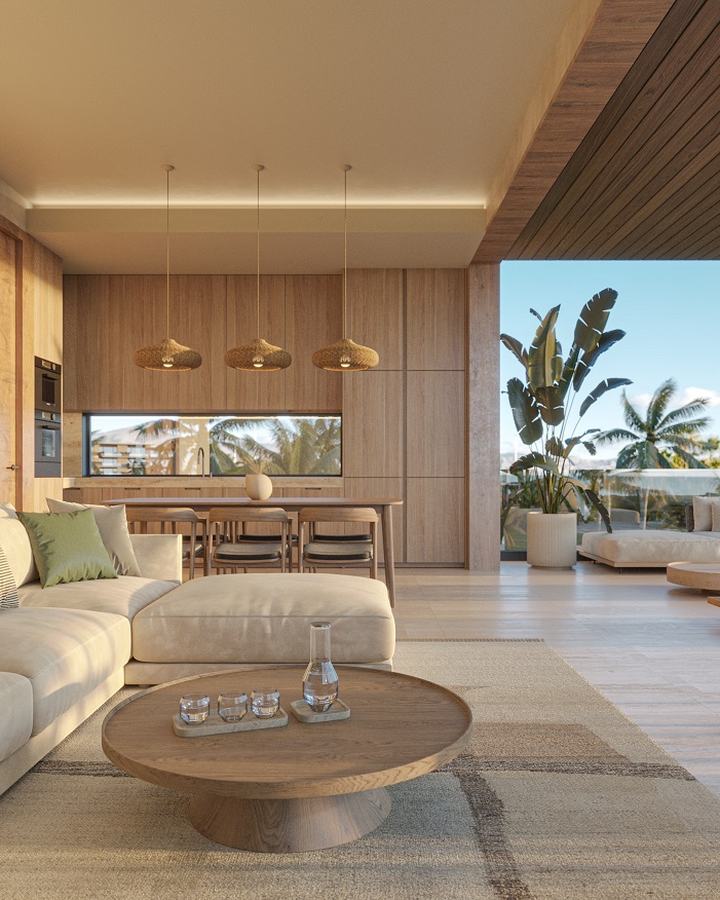
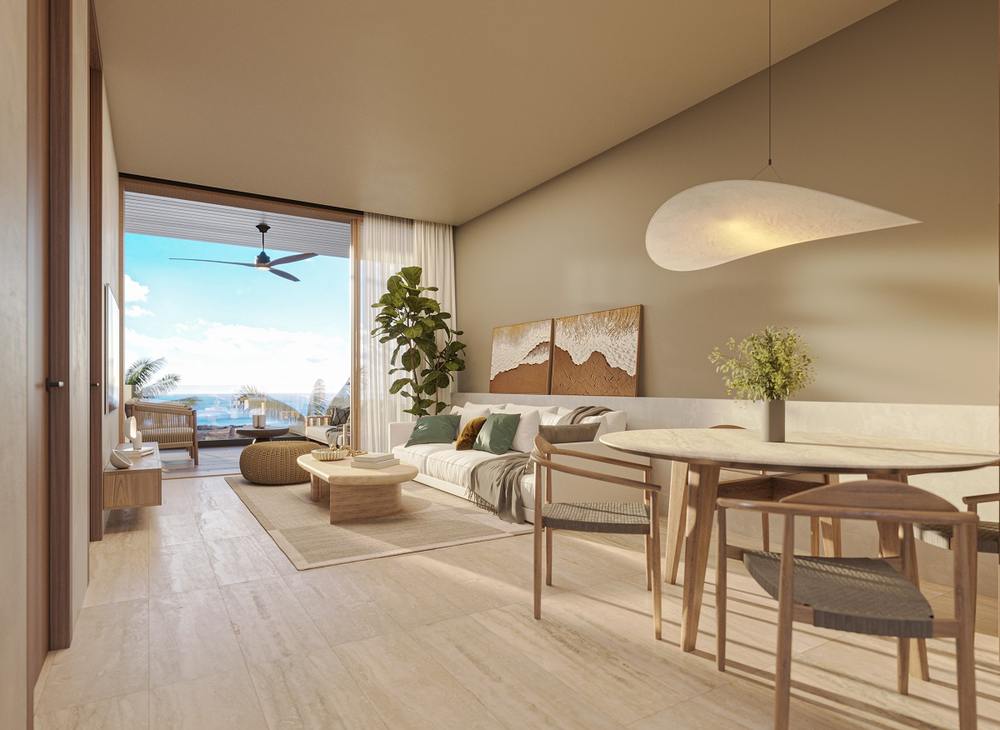
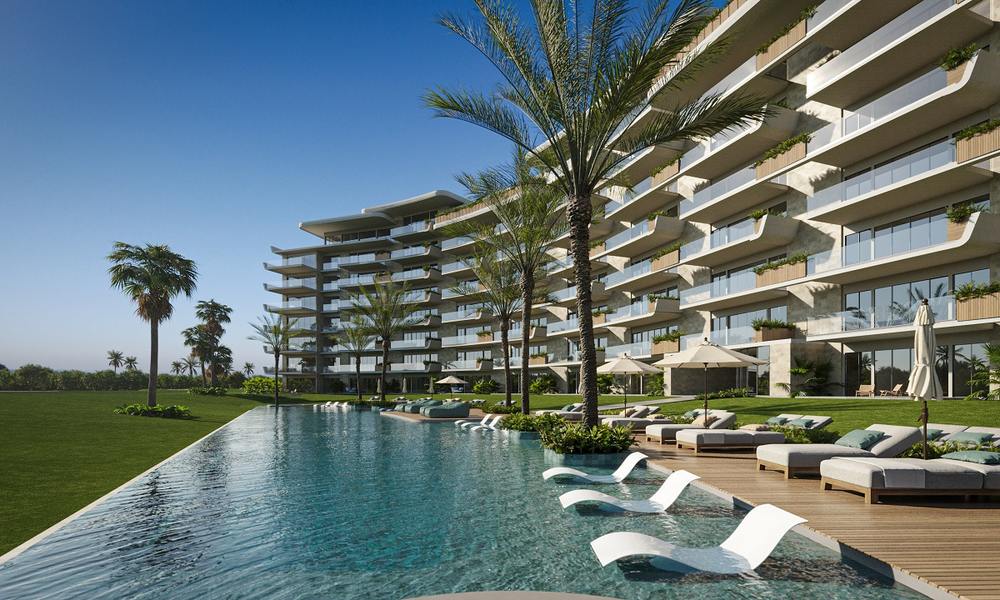
Punta Cana, and specifically Cap Cana where Bonita is located, offers a completely different model. Cap Cana is a private, gated, master-planned community. It's more akin to a self-contained luxury resort city than a public town. The lifestyle is built around privacy, security, and curated amenities like the Jack Nicklaus-designed golf course, a world-class marina, and pristine beaches like Juanillo Beach. Within this setting, Bonita provides its own private world, centered around a 161,000 sq ft crystalline lagoon, offering a tranquil and exclusive atmosphere that stands in sharp contrast to the public energy of Cancun.
How do property ownership laws for foreigners compare?
The legal framework for foreign buyers is a significant point of difference. The Dominican Republic encourages foreign investment with clear and favorable laws. Foreigners can own property with the same rights and protections as Dominican citizens, holding direct, fee-simple title in their own name. Projects like Bonita, which are approved under the CONFOTUR law (Law 158-01), offer powerful tax incentives. This includes an exemption from the 3% property transfer tax and an exemption from the 1% annual property tax (IPI) for the project for a term of 15 years. Your attorney will confirm how these benefits apply to your specific purchase.
In contrast, Mexico's constitution places restrictions on foreign ownership of land in coastal and border areas, known as the 'Restricted Zone'. To buy property in Cancun, a non-Mexican citizen must use a bank trust called a 'fideicomiso'. While a secure and common mechanism, it adds a layer of complexity and cost involving a Mexican bank as the trustee of the property.
| Aspect | Dominican Republic (at Bonita) | Mexico (in Cancun) |
|---|---|---|
| Direct Foreign Ownership | Yes, full fee-simple title with the same rights as a citizen. | Restricted in coastal areas; requires a bank trust (fideicomiso). |
| Key Tax Incentives | CONFOTUR law exempts the 3% transfer tax and provides a 15-year property tax exemption for the project. | No equivalent national tax incentive program for foreign buyers. |
| Legal Process | Straightforward purchase process, title registered directly in the buyer's name. | Involves establishing and maintaining a trust with a Mexican bank. |
Which destination is built for a more private, secure lifestyle?
Security and privacy are defining features of the Cap Cana experience. As a gated community, access is controlled, and a dedicated security infrastructure operates throughout. This is supplemented by the national tourist police force, Politur, which has a presence in the area. For residents of Bonita, this means a quiet, controlled environment where amenities are shared with fellow owners and guests, not the general public.
Cancun, as a larger and more open city, has a different dynamic. Its beaches, restaurants, and public spaces are accessible to everyone, contributing to its vibrant but less private atmosphere. While many condo buildings have their own security, the broader environment is that of a public city, not an enclosed private resort.
What are the practicalities of travel and local access?
Both Punta Cana International Airport (PUJ) and Cancun International Airport (CUN) are major hubs with excellent connectivity across North America and Europe. The difference lies in the on-the-ground experience after you land. From PUJ, the gates of Cap Cana are just a 10-minute drive away. Once inside, everything from the beach to the marina is within a short drive in a low-traffic, resort environment.
Getting from Cancun's airport to the Hotel Zone or other residential areas can involve navigating significant city traffic, especially during peak season. While both destinations are easy to get to, the ease of living and moving around day-to-day is a hallmark of the Cap Cana lifestyle.
How do the regions prepare for natural events like hurricanes?
As Caribbean destinations, both regions are mindful of the Atlantic hurricane season, which runs from June 1 to November 30. Building resilience is key. The Dominican Republic formalized its national building code in 2026, the 'Código de Construcción de la República Dominicana'. This code establishes mandatory nationwide requirements for structural design, including specific standards for resisting wind loads. This means that modern construction, like the residences at Bonita scheduled for delivery in 2029, is legally required to be designed and built to a specific structural standard for wind resistance.
While Mexico also has regional building codes, the existence of a clear, modern, and nationally mandated code in the Dominican Republic provides a strong assurance for buyers investing in new construction projects.
Where does Bonita fit into this comparison?
Bonita embodies all the advantages of the Cap Cana and Dominican Republic side of this comparison. It offers buyers the opportunity for direct, fee-simple ownership within the Caribbean's premier master-planned community. The 565 residences, starting from the Mid $300,000s, all benefit from the project's CONFOTUR status and are being built to modern structural codes for delivery in 2029. For a buyer seeking a secure, private, and high-end Caribbean home with clear ownership rights and significant tax advantages, Bonita represents the pinnacle of the Punta Cana lifestyle.
Want the details for your own situation?
Ask about availability, layouts or the buying process, and someone from the sales team will get back to you.
Get in touch