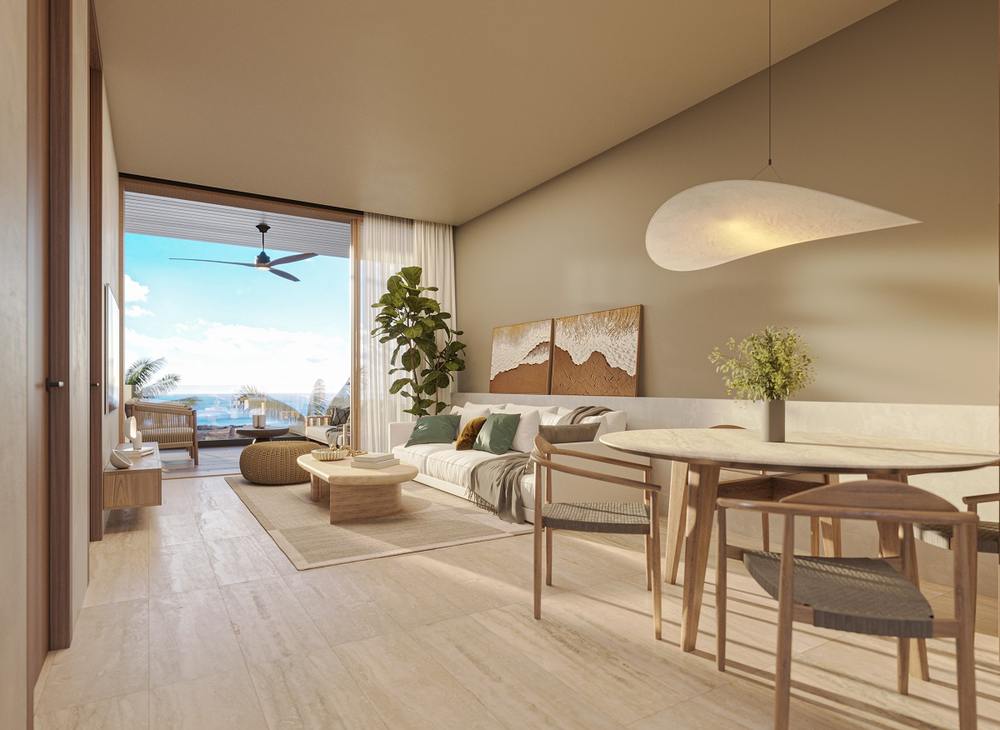
A Guide to Renting Your Bonita Condo in Cap Cana
Yes, you can absolutely rent out your Bonita residence to generate income from Punta Cana's thriving visitor market. Owners have the flexibility to manage their property as a short-term rental themselves or to participate in the optional on-site rental program for a hands-off investment experience. This guide outlines the options, tax considerations, and what makes Bonita a compelling choice for vacation renters.
What Are My Options for Renting Out My Bonita Residence?
As an owner at Bonita Cap Cana Condos, you have two primary routes for renting your property. The path you choose depends on how involved you wish to be in the management of your investment.
1. Self-Management: You can take a hands-on approach by listing your residence on platforms like Airbnb, VRBO, and Booking.com. This route gives you full control over pricing, guest communication, and your booking calendar. However, it also means you are responsible for arranging all on-the-ground services, such as guest check-in/check-out, cleaning between stays, and handling any maintenance issues that may arise. Many remote owners who self-manage hire local staff or a third-party property manager to handle these logistics.
2. Optional On-Site Rental Program: For a turnkey solution, Bonita offers an optional, professionally managed rental program. Our development's published materials state this program is designed to handle guest hosting and marketing to target strong yields. This is a hands-off option for owners who want to generate rental income without the day-to-day responsibilities of being a landlord. For full details on what the program includes, its fee structure, and performance projections, you should request the official program terms from our team.
What Makes a Bonita Condo a Strong Choice for Renters?
A successful rental property stands out to potential guests. Bonita is located within Cap Cana, a celebrated and secure gated resort city, which is a significant draw for discerning travelers. Beyond the location, the amenities available to guests are a key differentiator.
All residents and their rental guests have access to Bonita's extensive facilities, including the centerpiece 161,000 square foot crystalline lagoon with its own private beach. Additional amenities like the Rooftop 360° Lounge & Pool, a full-service beach club and restaurant, a panoramic fitness center and spa, and a padel court create a complete resort experience that commands premium rental rates. Furthermore, our residences are delivered move-in ready with designer finishes and full kitchens, ensuring a high-quality guest experience from day one.

| Destination | Drive Time |
|---|---|
| Juanillo Beach | 5 min |
| Scape Park | 8 min |
| Cap Cana Marina | 8 min |
| Punta Cana Int'l Airport (PUJ) | 10 min |
How is Rental Income Taxed in the Dominican Republic?
Understanding the tax obligations on rental income is critical for any property investor. In the Dominican Republic, income generated from renting property is subject to specific taxes, which are separate from the property tax benefits offered by CONFOTUR.
Firstly, short-term tourist accommodation is subject to an 18% tax known as ITBIS (the Spanish acronym for Transfer Tax on Industrialized Goods and Services). As the property owner or "host," you are liable for collecting and remitting this tax to the Dominican tax authority (DGII); it is not automatically handled by booking platforms.
Secondly, for non-resident owners, rental income is subject to a 27% withholding tax. This tax is levied on the gross rental income, with no deductions for expenses, and is considered a single and definitive payment. It is crucial to factor these taxes into your financial projections. Tax laws can change, so it is always advisable for a buyer to consult with a qualified Dominican tax advisor to understand their specific obligations.
How Does CONFOTUR Approval Relate to My Rental Income?
This is a common and important question, and it is worth being precise about what is documented. It is a common misconception that CONFOTUR benefits apply to rental income. The CONFOTUR law (Law 158-01) provides exemptions for the 3% property transfer tax and the 1% annual property tax (IPI) for qualifying projects like Bonita Cap Cana. Those are real savings on acquiring and holding the asset.
Specifically, CONFOTUR provides buyers of qualifying properties an exemption from the 3% Property Transfer Tax at the time of purchase, and an exemption from the 1% annual property tax (IPI). The fifteen-year term is the period the law sets for a qualifying project, not a term granted to an individual buyer, and your attorney will confirm how it applies to your specific purchase.
What we can source about the rest is that rental earnings, reached by the 18% ITBIS and the 27% non-resident withholding, are assessed under their own part of the tax code. Nothing we can cite rules on how the two meet for a particular unit, so treat that as a question for your attorney rather than as settled. It is worth being explicit about the inverse, because it is the more expensive mistake to make: an IPI exemption is a saving on the value of the property, not on income, and it leaves the gross rental figure exactly where it was. An owner should seek professional advice to ensure they are compliant with all tax liabilities.
What Are the Steps to Start Renting My Property?
Once you have closed on your Bonita residence, getting it ready for the rental market involves a few key steps. While every owner's journey is unique, the general process follows a clear path to ensure you are operating legally and efficiently.
-
Review Condominium Bylaws While national law permits short-term rentals, the first step is to confirm the specific rules and regulations outlined in the Bonita condominium bylaws. Your attorney can review these with you during the purchase process.
-
Choose Your Management Path Decide whether you will self-manage your property or enroll in the optional on-site rental program. This decision will dictate your next steps and level of personal involvement.
-
Prepare Your Property If self-managing, you'll need to photograph your unit, write listing descriptions, and set up profiles on rental platforms. If using the on-site program, the team will guide you through their onboarding process.
-
Arrange for Local Support (if self-managing) For remote self-managing owners, it's essential to have a reliable local team for cleaning, maintenance, and guest assistance. This could be a hired individual or a third-party management company.
-
Consult with a Tax Professional Before you receive your first booking, it is highly recommended to consult with a Dominican accountant. They can assist with registering with the tax authorities (DGII) and ensure you understand the process for remitting ITBIS and withholding taxes correctly.
Common questions
- Do I have to make my condo available for rent?
- No, not at all. Renting your property is completely optional. Many owners at Bonita use their residence as a private vacation home, a seasonal retreat, or even a full-time residence. The decision to rent is entirely yours.
- Can the on-site rental program guarantee a certain return?
- No rental program can guarantee returns, as income depends on market conditions, seasonality, and occupancy. The developer projects an 8–12% annual ROI based on market analysis for comparable properties, but this is an estimate, not a promise. You should review the program terms carefully.
- If I self-manage, how do I pay the 18% ITBIS tax?
- You or your designated representative must register as a taxpayer with the Dominican tax authority, the DGII. You will then be required to file monthly returns and remit the ITBIS collected from your guests. A local accountant can manage this process on your behalf.
- Does the 27% withholding tax apply if I am a resident of the Dominican Republic?
- The 27% withholding tax is specifically for non-residents. If you obtain legal residency in the Dominican Republic and become a tax resident (typically by spending more than 182 days a year in the country), your income would be subject to the standard Dominican income tax regime for residents, which has different rates and rules. Your legal and tax advisors can provide guidance on this.
Want the details for your own situation?
Ask about availability, layouts or the buying process, and someone from the sales team will get back to you.
Get in touch