How to Buy Property in the Dominican Republic: The Bonita Process
Buying property in the Dominican Republic as a foreigner is a secure and well-defined legal process that grants you the same rights as a Dominican citizen. For a pre-construction project like Bonita Cap Cana, the process is structured around a series of notarized legal documents that protect your purchase from the initial agreement through to the delivery of your residence in 2029 and the registration of your title.
What Does 'Owning' a Bonita Residence Legally Mean?
When you buy a residence at Bonita Cap Cana, you are acquiring full, unencumbered ownership through a legal structure known as 'fee-simple title.' This is the most complete form of property ownership and is identical to the rights a Dominican citizen holds. It is not a timeshare, a lease, or a fractional interest; you hold the deed to your specific condominium unit.
This means you have the right to sell your property on the open market at any time, leave it to your heirs, or place it within a trust or an LLC for asset protection or estate planning purposes. The title is registered in your name (or the name of your chosen legal entity) at the Dominican Republic's official Registry of Titles, providing a clear and government-backed guarantee of your ownership.
What Are the Key Legal Steps for a Pre-Construction Purchase?
The purchase of a new residence at Bonita, set for delivery in 2029, follows a clear path defined by Dominican law. Each step is formalized with a legal document, providing clarity and security for both you and the developer, Paridera Investors SRL. The entire process can be completed remotely from your home country.
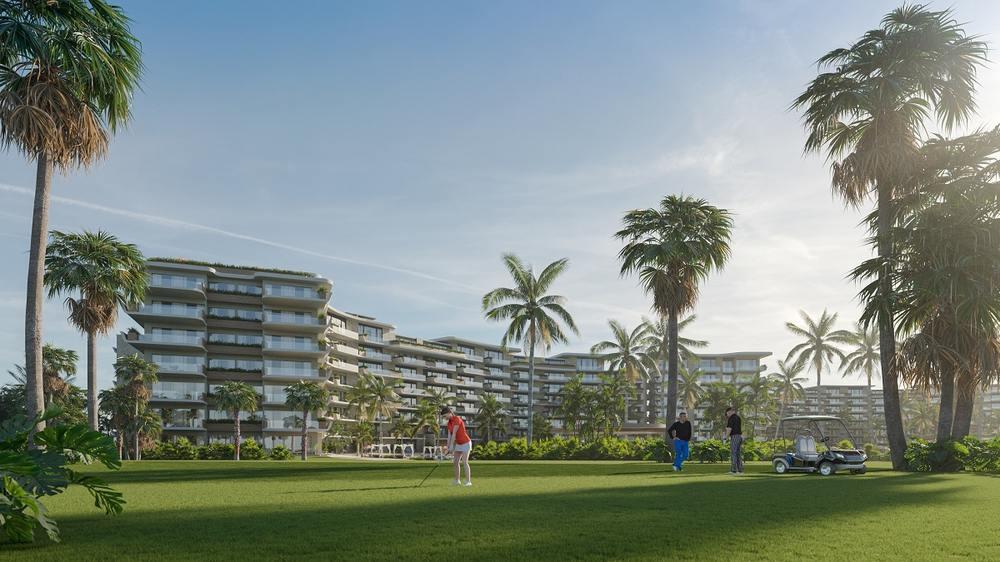
-
Reservation Agreement Once you select your residence from the 565 units available at Bonita, a Reservation Agreement is signed. This document secures your chosen unit, taking it off the market while the next step is prepared.
-
Promise of Sale (Promesa de Venta) This is the primary binding contract for a pre-construction purchase. It is a formal, notarized document that details all terms of the agreement: the specific property, the final price, construction specifications, and the delivery date. Once signed by both you and the developer and authenticated by a Dominican notary, it becomes a legally enforceable contract.
-
Construction and Delivery During the construction phase leading up to the 2029 delivery, you will receive updates on progress. Upon completion, your residence is inspected and formally delivered to you.
-
Deed of Sale (Contrato de Venta) & Title Registration At closing, a final Deed of Sale is executed before a notary. This document is then used by your attorney to register the sale at the Registry of Titles, which officially transfers ownership and issues the definitive Certificate of Title in your name.
Who Are the Independent Parties That Protect My Interests?
The Dominican real estate system involves several key parties whose roles are to ensure the transaction is fair, legal, and transparent. While our sales team guides you through the selection process, the legal and financial aspects are handled by independent professionals.
- Your Attorney: A buyer should always engage their own independent Dominican attorney. This legal professional represents your interests exclusively. They conduct due diligence, review the Promise of Sale, verify the developer's permits and title, and manage the final registration of your property.
- The Notary Public (Notario Público): A Dominican notary is a licensed attorney who acts as a neutral agent of the state. Their role is to authenticate legal documents, including the Promise of Sale and the final Deed of Sale. A notary's seal confirms the identity of the signatories and the legality of the agreement, giving it binding force.
How Do CONFOTUR Tax Benefits Apply to My Purchase at Bonita?
Bonita Cap Cana is an approved project under the Dominican Republic's Law 158-01, also known as CONFOTUR. This law is designed to encourage tourism development and provides significant tax benefits to the first buyers of qualifying properties. These benefits are a major factor in the financial appeal of owning at Bonita.
The law provides two primary exemptions for buyers. First, you are exempt from the one-time 3% property transfer tax that is normally due at closing. Second, the law provides for an exemption from the 1% annual property tax (IPI) for a period of 15 years for qualifying projects. The IPI is levied on the value of a property above an annually adjusted threshold. Your attorney will handle the filing to ensure these exemptions are recorded on your property's title.
| Tax | Standard Rate | Rate at Bonita (with CONFOTUR) |
|---|---|---|
| Property Transfer Tax (ITPI) | 3% of property value | Exempt |
| Annual Property Tax (IPI) | 1% on value above exempt threshold | Exempt (as per law's term) |
What Other Closing Costs Should I Expect?
Beyond the purchase price, a buyer is responsible for certain closing costs associated with the legal transfer of the property. While the major 3% transfer tax is waived at Bonita thanks to CONFOTUR, other administrative and legal fees apply.
These typically include your attorney's legal fees for their services, as well as minor administrative fees for the registration of documents at the Registry of Titles and other government offices. Your attorney will provide you with a detailed breakdown of these costs in advance of closing. These are standard in any real estate transaction in the Dominican Republic and ensure your title is correctly and securely registered.
Common questions
- Can I complete the entire purchase process without traveling to the Dominican Republic?
- Yes, it is common for international buyers to complete the entire purchase remotely. This is typically done by granting a limited Power of Attorney to your legal representative in the Dominican Republic, who can then execute documents on your behalf. This is a standard, secure practice.
- Is the Promise of Sale a secure contract?
- Yes. Once notarized, the 'Promesa de Venta' is a legally binding contract in the Dominican Republic. It protects both the buyer and the developer by clearly defining all terms of the sale. It is a standard instrument used for all pre-construction real estate transactions in the country.
- What happens if the developer doesn't deliver the property by the agreed date?
- The Promise of Sale contract includes clauses that outline the developer's obligations, including the delivery date. It also specifies remedies or penalties if these obligations are not met. Your attorney will review these clauses with you before you sign.
Want the details for your own situation?
Ask about availability, layouts or the buying process, and someone from the sales team will get back to you.
Get in touch